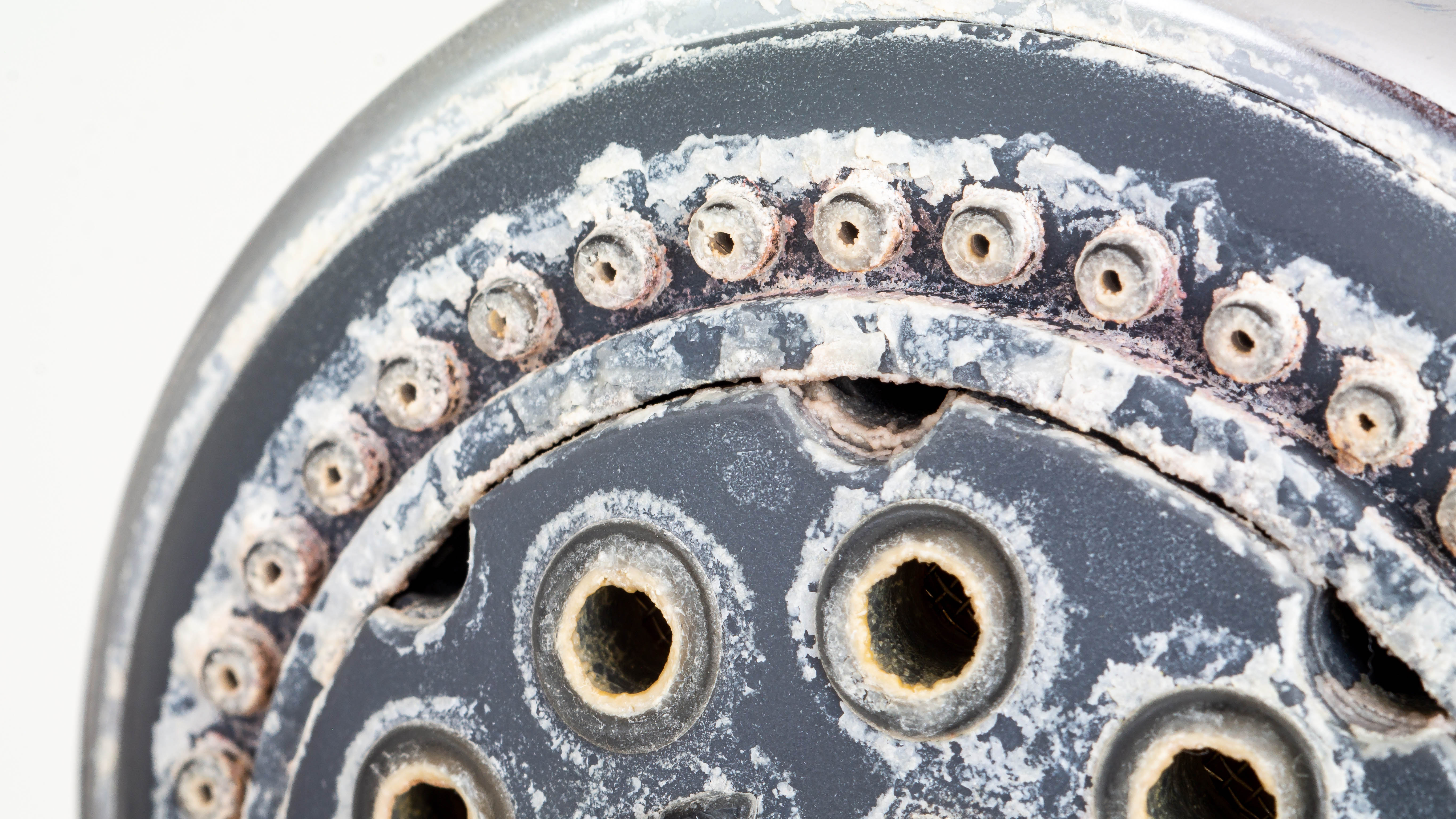
Got Limescale? Lets Fix It
Comprehensive Analysis of Residential Hard Water Remediation: From Chemical Descaling to Ion-Exchange Softening

1. Introduction: The Diagnostic Significance of Calcification
The appearance of a white, crusty build-up on residential plumbing fixtures, most notably showerheads and faucet aerators, serves as the primary visual indicator of a systemic water quality issue known as hardness. While often dismissed as a mere aesthetic nuisance or a cleaning challenge, this calcification represents the terminal stage of complex hydro-geological and thermodynamic processes occurring within the municipal or private water supply. For the homeowner, the restriction of water flow and the unsightly accumulation of mineral deposits are immediate pain points that necessitate rapid intervention. However, the remediation of this symptom—often achieved through simple organic acid treatments—unveils a deeper necessity for structural water conditioning to prevent catastrophic appliance failure and plumbing occlusion.
This report provides an exhaustive technical analysis of the hard water spectrum, structured to mirror the homeowner's journey from immediate symptom management to long-term preventative investment. It begins by deconstructing the chemical mechanisms of scale formation and the efficacy of acetic acid (vinegar) as a diagnostic and remedial agent. The analysis then progresses to intermediate preventative technologies, specifically electronic descaling systems, evaluating their operation through the lens of magnetohydrodynamics and crystallographic modification. Finally, the report culminates in a detailed examination of ion-exchange water softening, the definitive solution for mineral removal, contrasting salt-based and salt-free methodologies against the backdrop of economic efficiency, appliance longevity, and environmental regulation.
2. The Chemistry of the Symptom: Calcium Carbonate Precipitation
2.1 Geological Origins and Solute Behavior
Hard water is characterized by high concentrations of dissolved multivalent metallic cations, primarily calcium ($Ca^{2+}$) and magnesium ($Mg^{2+}$). These minerals enter the water supply as groundwater percolates through sedimentary rock formations such as limestone and chalk, which are composed largely of calcium carbonate ($CaCO_3$) and magnesium carbonate ($MgCO_3$).1
In its subterranean state, groundwater is often under high pressure and contains dissolved carbon dioxide ($CO_2$), forming a weak carbonic acid ($H_2CO_3$). This acidity increases the solubility of calcium carbonate, allowing it to exist in solution as calcium bicarbonate [$Ca(HCO_3)_2$]. The chemical equilibrium that maintains these ions in solution is delicate and highly dependent on pressure, temperature, and pH.
2.2 Thermodynamic Mechanisms of Scale Formation
The transition from dissolved bicarbonate to solid carbonate scale—the "white crust" observed by the user—is triggered by a shift in thermodynamic conditions as water exits the plumbing system or undergoes heating.
2.2.1 The Role of Pressure Drop and Off-Gassing
When water exits a showerhead, it transitions from a high-pressure environment (typically 40-60 psi) to atmospheric pressure. This pressure drop reduces the solubility of gases in the liquid, forcing the dissolved carbon dioxide to off-gas. According to Le Chatelier's principle, the loss of $CO_2$ shifts the bicarbonate equilibrium to the right, driving the precipitation of insoluble calcium carbonate 3:
$$Ca(HCO_3)_2 (aq) \rightleftharpoons CaCO_3 (s) + CO_2 (g) + H_2O (l)$$
This reaction explains why scale accumulation is most prevalent at the nozzle exit points of showerheads, where the water-air interface is maximized.2
2.2.2 Thermal Acceleration (Retrograde Solubility)
Unlike most solids, calcium carbonate exhibits retrograde solubility, meaning it becomes less soluble as temperature increases. In water heaters and hot water lines, the thermal energy accelerates the precipitation reaction. This results in the heavy scaling of heating elements, which acts as a thermal insulator, drastically reducing energy efficiency and leading to premature failure of the element due to overheating.5
2.3 Polymorphs of Calcium Carbonate: Calcite vs. Aragonite
The physical properties of the scale deposit depend on the crystalline structure of the precipitating calcium carbonate.
Calcite: The thermodynamically stable polymorph at standard temperatures. It forms rhombohedral crystals that are dense, tenacious, and highly adhesive to metal and plastic surfaces. This is the primary constituent of the hard, stubborn crust found on fixtures.5
Aragonite: A high-pressure or high-temperature polymorph that forms needle-like (acicular) crystals. Aragonite is less adhesive and more likely to remain suspended in the bulk water or form soft, sludge-like deposits that can be easily wiped away. Many conditioning technologies, including electronic descalers, aim to influence the crystallization kinetics to favor aragonite over calcite.7
3. Immediate Remediation: The Chemistry of Acid Cleaning
To address the immediate visual pain of clogged showerheads, homeowners typically turn to chemical descaling. The objective is to reverse the precipitation reaction, converting the insoluble calcium carbonate back into soluble calcium ions.
3.1 The Acetic Acid Mechanism (Vinegar)
Distilled white vinegar, a 5-8% solution of acetic acid ($CH_3COOH$), is the industry-standard recommendation for residential descaling due to its availability, safety profile, and material compatibility.1 The dissolution of limescale by acetic acid is an acid-base reaction where the carbonate ion acts as the base:
$$CaCO_3 (s) + 2CH_3COOH (aq) \rightarrow Ca(CH_3COO)_2 (aq) + H_2O (l) + CO_2 (g)$$
In this reaction, the calcium carbonate solid reacts to form calcium acetate [$Ca(CH_3COO)_2$], which is highly soluble in water, along with water and carbon dioxide gas.3 The evolution of $CO_2$ manifests as visible bubbling, providing immediate visual feedback to the user that the remediation process is active.10
3.1.1 The Fallacy of Buffered Solutions
A common misconception in DIY remediation is the addition of sodium bicarbonate (baking soda) to the vinegar solution to create a "stronger" cleaning agent. While the vigorous effervescence suggests high activity, mixing a base (baking soda) with the acid (vinegar) prior to application effectively neutralizes the acid, producing sodium acetate and water.11 This consumes the protons ($H^+$) necessary to dissolve the calcium scale, rendering the solution less effective than pure vinegar. The most effective protocol utilizes unbuffered acetic acid to maintain maximum proton availability for the dissolution of the carbonate scale.11
3.2 Application Protocol: The Immersion Technique
Because the dissolution of calcite is rate-limited by the surface area and the diffusion of acid into the crystal lattice, prolonged contact time is essential. The "Bag Method" has emerged as the most efficient technique for in-situ remediation of fixed showerheads.
Standard Operating Procedure (SOP):
Containment: A watertight plastic bag is filled with sufficient white vinegar to fully submerge the nozzle face of the fixture.12
Immersion: The bag is secured over the showerhead using a rubber band or zip tie, ensuring the mineral deposits are completely bathed in the acid solution.13
Reaction Duration:
Maintenance Cleaning: 30 to 60 minutes is typically sufficient for light scaling or flow restoration.13
Restorative Cleaning: For heavy, crusty buildup, dwell times of 2 to 4 hours, or overnight, are recommended to allow the acid to penetrate deep into the nozzle channels.12
Mechanical Agitation: Post-soak, the softened mineral residue is removed using mechanical agitation (e.g., a toothbrush) and flushed with hot water to clear the internal flow restrictors.2
3.3 Material Compatibility and Risk Factors
While acetic acid is a weak organic acid, it poses risks to certain plumbing finishes. Understanding the metallurgy of the fixture is critical to preventing permanent cosmetic damage.
Acid can degrade the powder coat or electroplated finish, leading to spotting.14
For high-value or sensitive finishes, users are advised to test the solution on an inconspicuous area or limit exposure to strictly monitored intervals.8
3.4 Limitations of Chemical Remediation
The vinegar fix is purely symptomatic treatment. It removes the existing blockage but does nothing to alter the chemical composition of the incoming water supply. Consequently, the precipitation mechanism described in Section 2.2 resumes immediately upon the next use of the fixture. This cycle of buildup and removal serves a crucial psychological function: it validates the diagnosis of hard water, building trust in the homeowner's mind and priming them for a more permanent, structural solution.4
4. Intermediate Preventative Strategy: Electronic Descalers
For homeowners seeking to break the cycle of cleaning without the logistical burden of salt handling or plumbing modifications, Electronic Water Descalers (or Conditioners) present an attractive, low-friction intermediate solution. These systems represent a shift from chemical treatment to physical water conditioning.
4.1 Theoretical Mechanism: Magnetohydrodynamics
Unlike ion-exchange softeners, electronic descalers do not remove calcium or magnesium ions from the water. A standard water test performed downstream of a descaler will show unchanged hardness (GPG) and Total Dissolved Solids (TDS) levels.15 Instead, these devices aim to alter the physical behavior of the minerals to prevent adherence to surfaces.
The core principle relies on the generation of time-varying electromagnetic fields (EMF) that penetrate the pipe wall. According to the principles of magnetohydrodynamics, when a conductive fluid (water with dissolved ions) moves through a magnetic field, Lorentz forces are exerted on the charged particles.5 Manufacturers and proponents claim this energy input disrupts the equilibrium of the solute, inducing homogenous nucleation in the bulk fluid.17
Template Assisted Crystallization (TAC) Variant: While true TAC uses a physical media bead, electronic descalers attempt to replicate this effect energetically. The goal is to force calcium and magnesium to precipitate as microscopic aragonite crystals while suspended in the water stream.7
Suspension vs. Adhesion: These suspended micro-crystals act as stable seeds (nuclei) for further precipitation. As water is heated, new mineral growth occurs on these seeds rather than on the heat exchanger walls or shower nozzles, effectively keeping the scale in suspension until it is discharged down the drain.5
4.2 Technology Segmentation: Capacitive vs. Inductive
The market for electronic descalers is bifurcated into two primary technological approaches, distinguished by how the energy is coupled to the water.
4.2.1 Electromagnetic Induction (Coil-Based)
Representative Devices: iSpring ED2000, Eddy Electronic Descaler.18
Operation: These systems utilize insulated wire coils wrapped around the pipe. An alternating current (AC) flows through the coil, inducing a magnetic field inside the pipe via Faraday’s Law of Induction.
Frequency Modulation: Advanced units, such as the iSpring ED2000, utilize complex, varying frequency waveforms (often square waves) to address the varying resonant frequencies of different mineral ions and flow rates.5
limitations: The induced magnetic field strength decays rapidly with distance from the coil. Efficacy is highly dependent on flow velocity; if water remains stagnant in the field (e.g., no water usage at night), the effect may be negligible.5
4.2.2 Capacitive Impulse (Band-Based)
Representative Devices: Yarna CWD24, ScaleBlaster.21
Operation: These units use ultra-flat conductive bands (often copper or aluminum foil tape) applied directly to the pipe surface. The control unit charges these bands to create a capacitive field across the dielectric barrier of the pipe wall.23
Advantage: Proponents argue that capacitive coupling creates a more uniform electric field through the cross-section of the water column compared to the toroidal magnetic field of coils. This is claimed to be more effective at treating the entire volume of water, regardless of pipe diameter or material.18
4.3 Scientific Efficacy and the "Snake Oil" Controversy
The efficacy of electronic descaling is a subject of intense debate within the water treatment industry. The divergence between laboratory results and consumer experiences creates a complex landscape for the buyer.
The Skeptical View: The Water Quality Association (WQA) and various independent studies have historically found inconsistent evidence to support the claims of magnetic water treatment. A U.S. Army Corps of Engineers study cited widely in the industry found no significant reduction in scale formation for magnetic devices tested under specific conditions.26 Critics argue that without removing the ions, the thermodynamic potential for scaling remains unchanged, particularly in high-temperature environments.28
The Supportive Data: Conversely, peer-reviewed research in journals such as Water Research has documented the transformation of calcite to aragonite under the influence of specific electromagnetic fields.7 A study analyzing 48 experiments published after 2000 confirmed that electromagnetic fields can alter scaling behavior by changing the crystal morphology and surface tension of the water.28
Consumer Consensus: Despite the scientific ambiguity, thousands of user reviews indicate a high degree of satisfaction regarding specific symptoms. Users consistently report that while water spots still form, they are "dusty" and easy to wipe off rather than hard and etched. This aligns with the aragonite formation hypothesis.31
4.4 Installation and Compatibility
The primary appeal of electronic descalers is their non-invasive installation, which bypasses the need for plumbing cuts or professional labor.
Pipe Material Suitability:
PVC / PEX / CPVC: These materials are electrically insulating and magnetically transparent, making them ideal for both inductive and capacitive systems. The fields penetrate the walls with minimal attenuation.22
Copper: Compatible with both systems, though the conductivity of copper can interfere with capacitive fields if the unit is not properly grounded or tuned. Inductive systems work well, relying on the copper pipe to act as a secondary transformer winding.34
Galvanized Iron / Steel: Highly problematic. Iron is ferromagnetic and acts as a magnetic shield (flux shunt), absorbing the magnetic field preventing it from reaching the water. Electronic descalers are generally not recommended for galvanized plumbing.18
4.5 Product Landscape and Cost Analysis
The descaler market offers a range of options varying in power, frequency range, and warranty protection.
Strategic Positioning: The generous "money-back guarantees" (often 12 months) offered by brands like Eddy and Yarna are critical trust signals. They acknowledge the variable nature of the technology's success, allowing the user to verify efficacy in their specific water chemistry environment without financial risk.35
5. The Definitive Solution: Ion-Exchange Water Softeners
For consumers who require the absolute removal of hardness minerals to protect expensive appliances, ensure scale-free surfaces, and enjoy the tactile benefits of soft water, ion-exchange water softeners represent the gold standard of remediation.
5.1 Chemistry of Cation Exchange
The fundamental mechanism of a water softener is the physical removal of calcium and magnesium ions via cation exchange. The system utilizes a pressure vessel filled with sulfonated polystyrene resin beads. These beads are functionalized with sodium ($Na^+$) or potassium ($K^+$) ions, which are electrostatically bound to the resin matrix.
The Exchange Reaction:
As hard water flows through the resin bed, the calcium ($Ca^{2+}$) and magnesium ($Mg^{2+}$) ions, which possess a higher positive charge density and affinity for the resin than sodium, displace the sodium ions.39
$$2(R-SO_3Na) + Ca^{2+} (aq) \rightleftharpoons (R-SO_3)_2Ca + 2Na^+ (aq)$$
Where $R$ represents the resin polymer matrix. The effluent water contains sodium ions in place of calcium, maintaining electrical neutrality but eliminating hardness.15
5.2 Resin Technology and Cross-Linking
The durability and resistance of the resin bed are determined by the percentage of cross-linking in the polystyrene divinylbenzene (DVB) polymer.
8% Cross-Link: The industry standard for residential softeners. It offers a balance of capacity and kinetics but is susceptible to oxidative attack by chlorine and chloramines found in municipal water.41
10% Cross-Link: A premium resin option offered by brands like SpringWell and SoftPro. The higher cross-linking density provides superior physical strength and resistance to chlorine oxidation, extending the lifespan of the resin bed from typical 10-15 years to 20+ years.42
5.3 Regeneration Cycles and Efficiency
Once the resin bed is saturated with hardness ions, it must be regenerated. This process involves flushing the bed with a concentrated brine solution ($NaCl$ or $KCl$), reversing the exchange equilibrium by mass action.44
5.3.1 Downflow vs. Upflow Regeneration
Downflow (Standard): Brine enters the top of the tank and flows down through the resin. This requires more water and salt because the brine becomes diluted as it passes through the "clean" resin at the top before reaching the depleted resin at the bottom.
Upflow (Counter-Current): Utilized by high-efficiency systems like the SoftPro Elite. Brine enters from the bottom, contacting the most depleted resin first. This method maintains high brine concentration where it is needed most and fluffs the resin bed, improving rinsing efficiency. Upflow systems can reduce salt and water consumption by up to 50-75% compared to standard downflow units.45
5.4 Hardware Analysis: Leading Market Contenders
The 2025 market is dominated by systems that integrate smart valve technology with high-durability tanks.
5.5 Environmental Impact and Regulatory Landscape
The environmental footprint of salt-based softeners is a significant driver of regulatory action. The discharge of brine during regeneration elevates the chloride concentration in municipal wastewater. Standard wastewater treatment processes do not remove dissolved salts, meaning chlorides pass through to river discharges or recycled water used for irrigation, where they can damage crops and freshwater ecosystems.51
5.5.1 The California Restrictions
California has led the nation in regulating water softeners due to its reliance on recycled water and groundwater management challenges.
Bans: Local agencies in regions such as Santa Clarita, parts of Los Angeles County, and the Inland Empire have enacted bans on the installation of salt-based, self-regenerating water softeners.53
Compliance: In these zones, homeowners must utilize Salt-Free Conditioners (like the SpringWell FutureSoft or electronic descalers) or Portable Exchange Tank services where the regeneration occurs off-site at a permitted facility.55
Septic Compatibility: For homes on septic systems, the discharge of brine is generally considered safe by the WQA, provided the system is properly sized. However, the hydraulic load (50+ gallons per regen) can stress older drain fields.57
6. Economic and Operational Analysis
6.1 Installation Logistics: The "Loop"
Installing a whole-house softener requires a dedicated plumbing connection known as a "loop"—a diversion of the main water line that feeds the softener before distributing water to the house.
Pre-Plumbed Homes: Newer homes often have a loop installed in the garage. Installation in these cases is a straightforward connection using flex lines or SharkBite fittings, costing $200-$500 in professional labor.59
Retrofit: For homes without a loop, a plumber must cut the main line, which may involve extensive pipework. Costs can range from $1,000 to over $3,000 depending on the complexity and pipe material.60
Drain and Power: The system also requires a drain connection (with an air gap) for the brine discharge and a standard 120V electrical outlet for the control valve.
6.2 Total Cost of Ownership (TCO) Model
A 10-year TCO analysis reveals that while softeners have high operating costs, the return on investment (ROI) through savings often offsets the expense.
Analysis:
Descalers are a sunk cost. They protect the water heater (potentially saving $1,000+ in replacement costs) but do not generate daily operational savings in detergent or heating efficiency to the same degree as softeners.
Softeners generate positive cash flow over time. Studies indicate that soft water allows for a 50% reduction in detergent use and maintains water heater efficiency at factory ratings for 15 years, whereas hard water can reduce efficiency by 48%.62
6.3 The "Slippery" Feel Factor
A common barrier to adoption for new softener users is the tactile sensation of "slippery" or "slimy" skin.
Mechanism: In hard water, calcium ions react with fatty acids in soap to form insoluble curd (soap scum), which creates friction on the skin—the "squeaky clean" feeling. Soft water allows the soap to lather freely and rinse away without leaving residue. The "slippery" feeling is actually the natural hydration of the skin and the absence of friction-causing curd.64
Adjustment: Users must be educated to drastically reduce the amount of soap and shampoo used. Using the same quantity of product with soft water as with hard water results in excess surfactant that is difficult to rinse, exacerbating the slippery sensation.62
7. Conclusion: A Tiered Approach to Water Management
The journey from a clogged showerhead to a whole-house water treatment system is a progression of trust, investment, and technological sophistication.
Trust Builder (Tier 1): The Vinegar Remediation serves as the critical diagnostic step. By dissolving the scale, the homeowner confirms the diagnosis of hard water. It is an effective but temporary maintenance protocol that resolves the immediate symptom of flow restriction.
Low-Friction Prevention (Tier 2): Electronic Descalers (Yarna/Eddy) offer a viable path for those restricted by budget, rental agreements, or environmental regulations. While they do not provide the luxury of soft water, their ability to modify crystal formation via magnetohydrodynamics offers a scientifically grounded method for protecting heating elements and reducing the adhesion of scale. They are the prudent choice for "good enough" protection without the logistical tail of salt and waste.
Comprehensive Solution (Tier 3): For homeowners prioritizing appliance longevity, aesthetic perfection, and operational savings, Ion-Exchange Softeners (SpringWell/SoftPro) remain unrivaled. Despite the higher TCO and installation complexity, the thermodynamic removal of hardness minerals provides the only guarantee against scaling. The evolution of high-efficiency, upflow regeneration systems mitigates the historical downsides of salt and water waste, making modern softeners a sustainable choice for most regions outside of strict ban zones.
Ultimately, the choice is not binary but strategic: vinegar for the symptom, descalers for the infrastructure, and softeners for the lifestyle.
